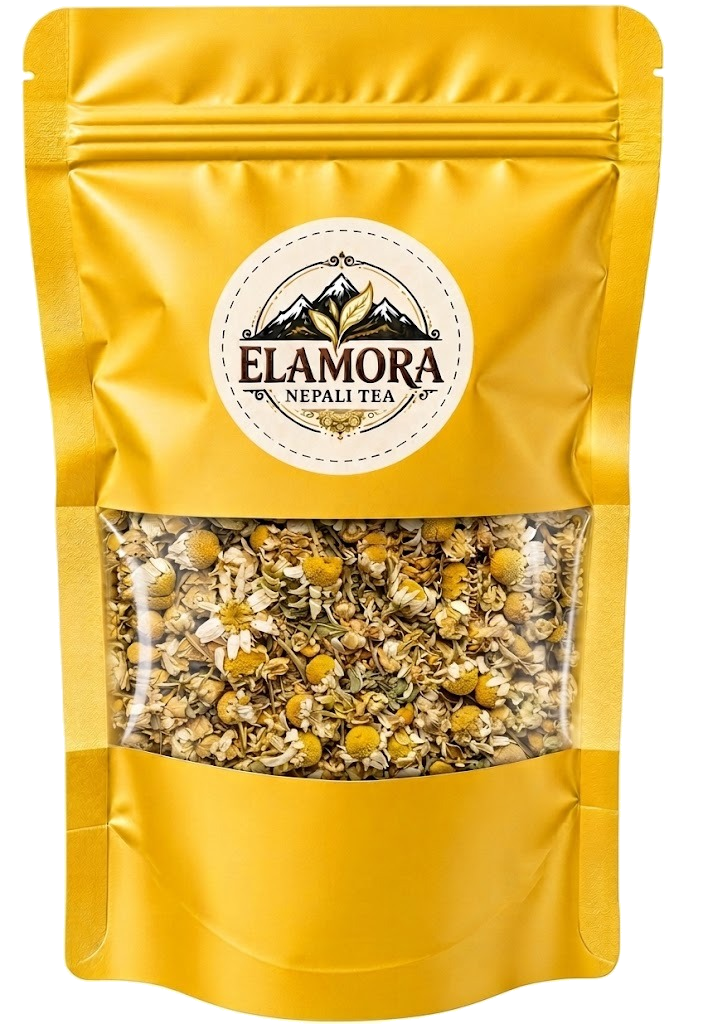
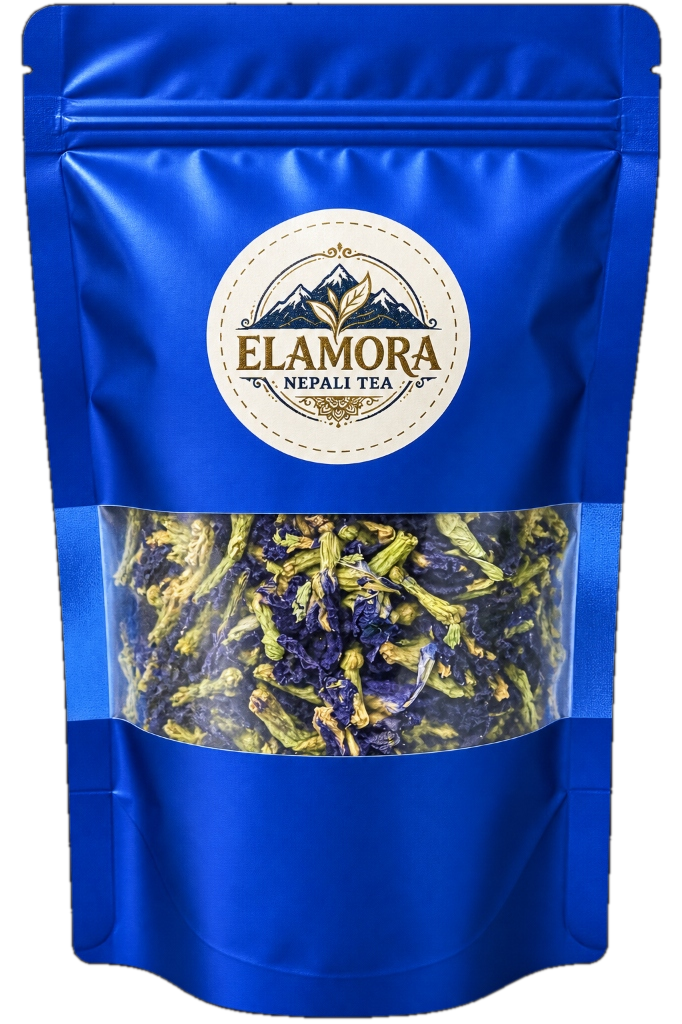
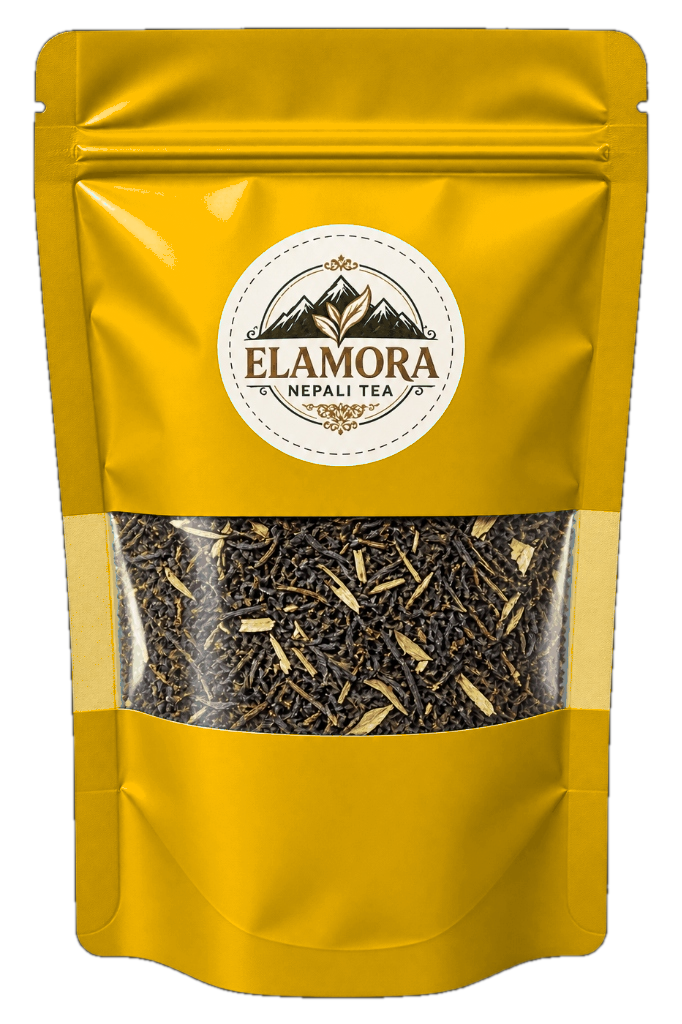
In retail markets across Nepal, the term "Export Quality" is frequently printed on packaging. But what does export quality genuinely mean in the international specialty tea trade? At Elamora, we believe consumers deserve full transparency regarding leaf grades, laboratory purity, and freshness handling.
Demystifying Export Quality Standards
In the global orthodox tea marketplace—particularly across Germany, Japan, France, and North America—tea is assessed under stringent, standardized quality benchmarks:
1. Leaf Grading & Whole Leaf Purity
Export-grade orthodox tea is rigorously sorted through vibrating mesh sieves to separate premium whole leaf grades from broken pieces. Top tiers include:
- FTGFOP (Finest Tippy Golden Flowery Orange Pekoe): The highest grade of whole leaf tea, characterized by an exceptionally high ratio of golden unopened tips.
- TGFOP (Tippy Golden Flowery Orange Pekoe): Intact whole leaves featuring delicate golden terminal buds.
- Artisan Specialty Rolled Lots: Custom handcrafted forms such as hand-rolled green tea pearls and needle teas that maintain unbroken leaf structure.
2. Moisture Barrier & Terpene Preservation
One of the most persistent issues in local tea distribution is the use of non-barrier clear plastic or permeable paper bags. Humidity and ambient oxygen cause essential tea oils to oxidize and turn stale within weeks. True export-quality standards mandate:
- Multi-layer metalized moisture-proof barrier pouches
- Protection from UV light and thermal degradation
- Airtight resealable closures to lock in freshness after opening
3. Single-Origin Traceability vs. Commercial Blending
Commodity commercial tea companies purchase diverse lots from dozens of disparate farms and blend them together to achieve uniform, low-cost volume. Export-grade specialty tea, by contrast, is celebrated for single-origin purity—each batch traceable back to its specific garden, elevation, and harvest date.
Elamora's Commitment to Export Freshness at Home
Historically, Nepal's finest tea harvests were exported entirely to specialty connoisseurs in Europe and Japan, leaving domestic consumers with lower-grade dust and fannings. Elamora was founded to reverse this dynamic: ensuring that the people of Nepal and visitors to Kathmandu can experience the exact same world-class, export-grade whole leaves freshly sealed right here at home.