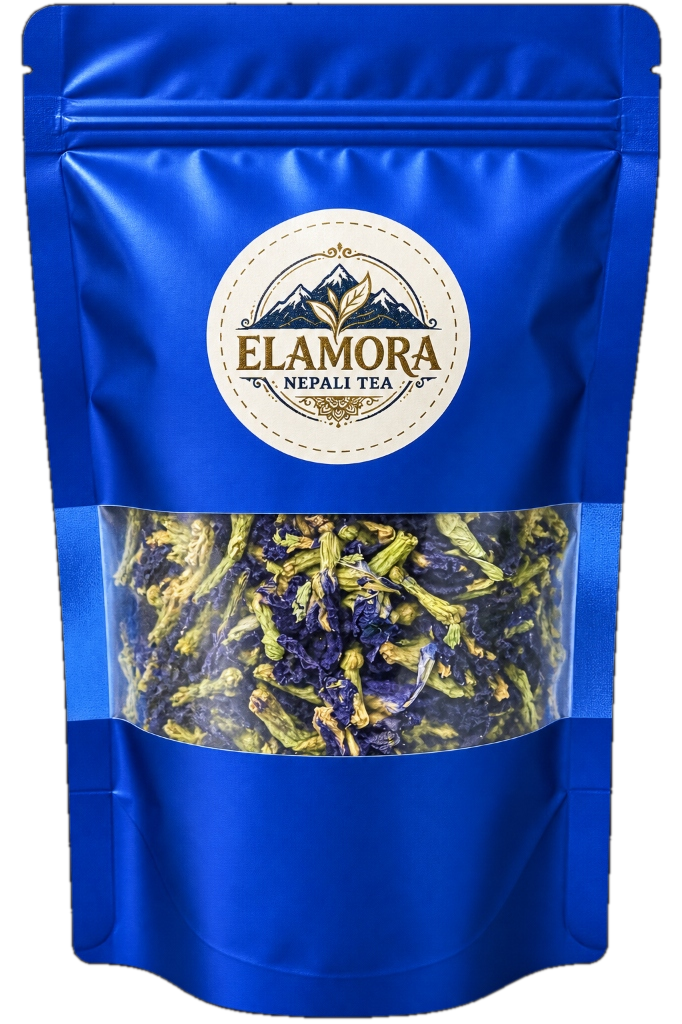
Tea grown in the Himalayas does not taste like tea grown anywhere else on Earth. The extreme geographical drama of Nepal—where elevations surge from near sea level to the world's highest peaks within fewer than 150 kilometers—creates microclimates of intense biological vitality.
The Science of Himalayan Terroir
What gives Himalayan tea its crystalline clarity and floral sweetness? Botany and altitude provide clear scientific answers:
1. Diurnal Temperature Fluctuations
During daylight hours, intense Himalayan mountain sunshine promotes active photosynthesis. As dusk falls, alpine cold sweeps down from snow-capped ridges, dropping temperatures by 15°C or more. This rapid cooling halts cellular respiration, locking synthesized sugars, amino acids, and fragrant volatile oils inside the leaf rather than burning them off overnight.
2. Mountain Mist & Ultraviolet Radiation
Perpetual cloud cover and drifting mountain mist diffuse sunlight across the tea terraces. This natural shade reduces harsh sun scalding and encourages the leaf to produce high concentrations of chlorophyll and L-theanine—the amino acid responsible for cognitive calmness and umami sweetness.
3. Pure Himalayan Botanicals
Himalayan terroir extends beyond the tea bush (*Camellia sinensis*). The foothills and valleys of Nepal nurture wild native botanicals prized for centuries in traditional Ayurvedic and alpine wellness rituals:
- Golden Chamomile: Hand-harvested whole blossoms carrying gentle notes of green apple and wildflower honey.
- Himalayan Blue Pea (*Clitoria ternatea*): Vivid sapphire blossoms that brew an indigo elixir renowned for antioxidant vitality and soothing ritual calm.
- Wild Rhododendron (*Lali Gurans*): Nepal's national flower, gathered from high ridge slopes and blended with tart hibiscus for deep ruby brilliance.
- Alpine Ginger & Mountain Lemongrass: Crushed native roots and sun-dried stalks that deliver soothing digestive warmth without caffeine.