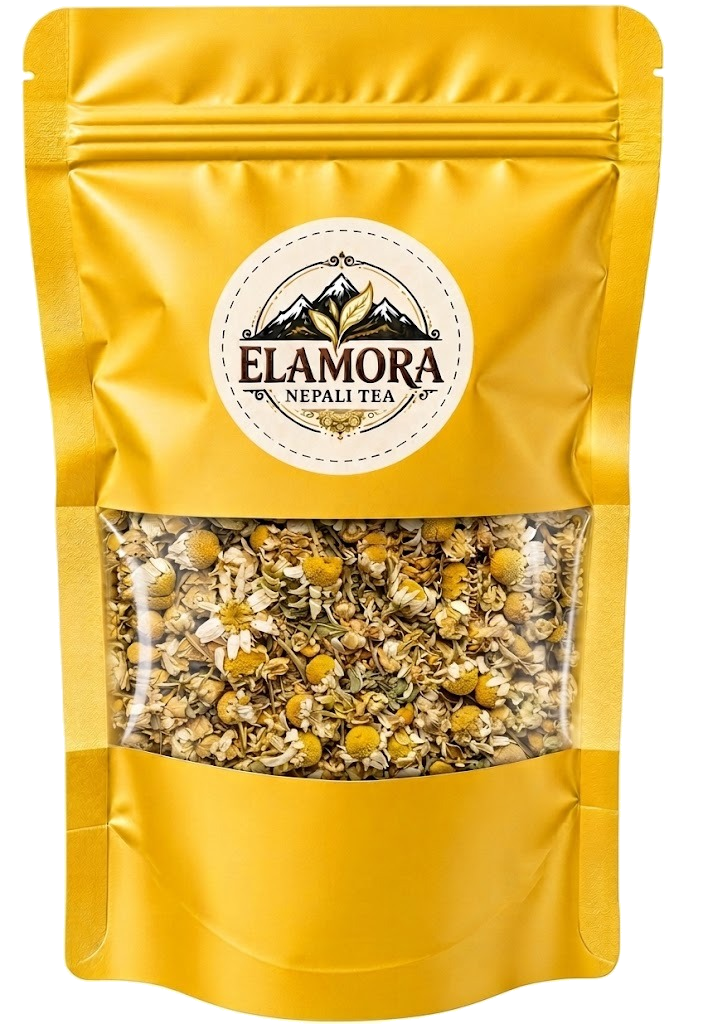
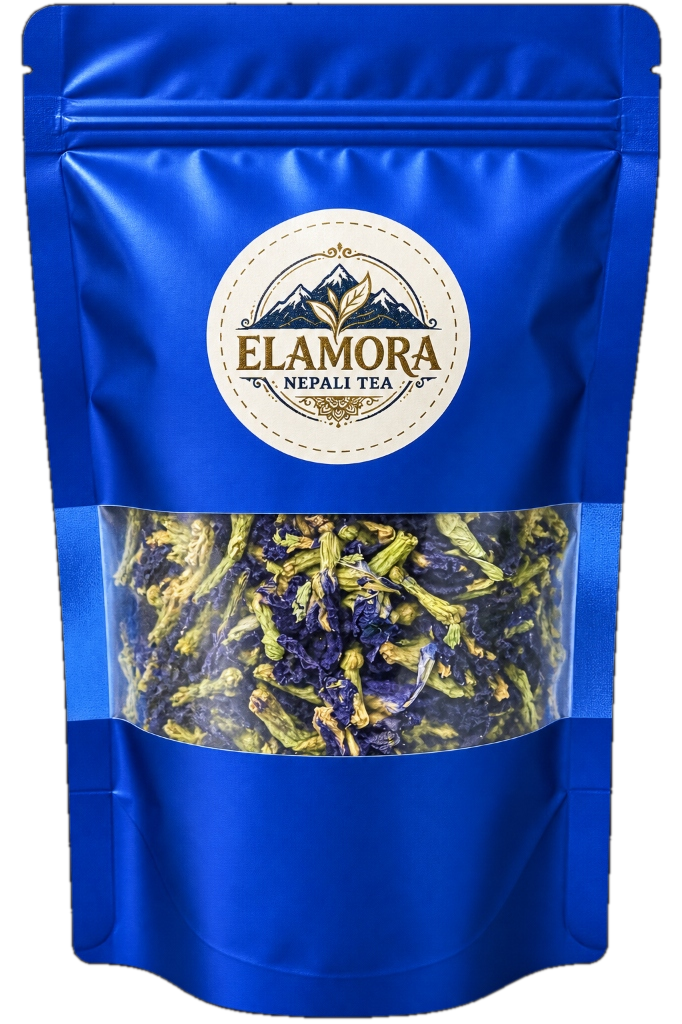
Nepali tea represents one of the tea world's most compelling and unheralded treasures. Grown along the mist-shrouded slopes of eastern Nepal at elevations climbing between 4,000 and 7,500 feet, these leaves mature in crisp alpine air, sharp sunlight, and rich organic soils. The result is a tea characterized by vibrant aromatic clarity, natural floral sweetness, and an utter absence of harsh astringency.
The Heritage & Landscape of Nepal's Tea Hills
Tea cultivation in Nepal took root in the mid-19th century when Colonel Gajraj Singh Thapa planted the first camellia bushes in the eastern hills of Ilam. Sharing geological and climatic continuities with the renowned Himalayan ridges of Darjeeling right across the border, Nepal's microclimates possess a distinct agricultural advantage: younger bushes, virgin organic soils, and a biodiversity that encourages natural pest resistance without heavy synthetic treatments.
Unlike industrial plains tea grown for mass tea-bag commodity markets (known as CTC: Crush, Tear, Curl), Nepal's high-altitude signature lies in orthodox whole-leaf production. Here, leaves are plucked with extreme care—typically 'two leaves and a single bud'—and rolled with gentle friction to preserve whole leaf integrity.
The Four Seasonal Flushes of Nepal
The character of Nepali tea shifts dramatically with the rhythms of the Himalayan seasons:
- First Flush (Spring: March – April): Plucked immediately after winter dormancy as tender new shoots emerge. The liquor is pale champagne-gold with intense citrus blossom aromas, brisk sweetness, and profound L-theanine serenity.
- Second Flush (Summer: May – June): Bathed in warm Himalayan sun, the leaves develop fuller body, muscatel amber sweetness, and delicate stone fruit undertones.
- Monsoon Harvest (July – August): Rich in rainfall and robust growth, often yielding earthy, full-bodied leaves well-suited for warming blends and spices.
- Autumnal Flush (October – November): Slowed by cooler mountain evenings, autumnal leaves offer deep coppery clarity, roasted nut notes, and comforting roundness.
Terroir Comparison: Nepali Orthodox vs. Mass Commercial Tea
| Characteristic | Artisan Nepali Orthodox (Elamora) | Commercial Commodity Tea (CTC) |
|---|---|---|
| Plucking Standard | Fine plucking: two tender leaves & unopened bud | Coarse mechanical harvest of stems & mature leaves |
| Leaf Form | Intact whole leaf, twisted needles, or hand-rolled pearls | Crushed powder, dust, and micro-pellets |
| Elevation | 4,000 – 7,000+ FT (Himalayan highlands) | Low-lying flat plains (0 – 1,000 FT) |
| Steep Longevity | 3 to 5 multi-infusions with evolving taste layers | Single rapid color extraction; bitter on rest |
| Aroma Profile | Wild honey, alpine orchid, muscatel grape, fresh meadow | One-dimensional, astringent, requires milk/sugar |
How Elamora Honors Nepali Tea
At Elamora, we bypass mass industrial middlemen and broker warehouses. We gather single-origin lots directly from high-elevation estates across Ilam, Mai Valley, and Kanyam. Every pouch is sealed in food-grade airtight barrier foil right in our Kathmandu atelier to preserve volatile mountain terpenes until the moment you unseal it at your teaware table.